Integrating Round Floral Wreaths Illustrations into Professional Creative Workflows
In the landscape of digital design and print production, efficiency often hinges on the quality and versatility of foundational assets. Round floral wreaths illustrations serve as more than mere decoration; they function as structural framing devices that guide viewer attention, establish visual hierarchy, and convey specific emotional tones without occupying excessive layout space. For professionals ranging from freelance graphic designers to small business owners managing their own branding, these vector-based resources represent a critical intersection of aesthetic appeal and practical utility. Understanding how to leverage a comprehensive ZIP package containing AI, EPS, and JPEG formats allows creators to streamline production timelines while maintaining high standards of visual consistency across diverse media.
The Strategic Role of Vector Wreaths in Design Systems
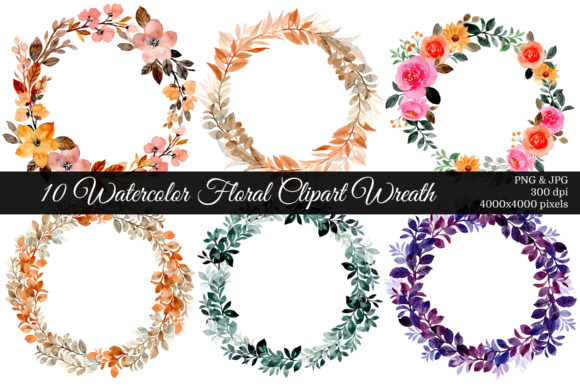
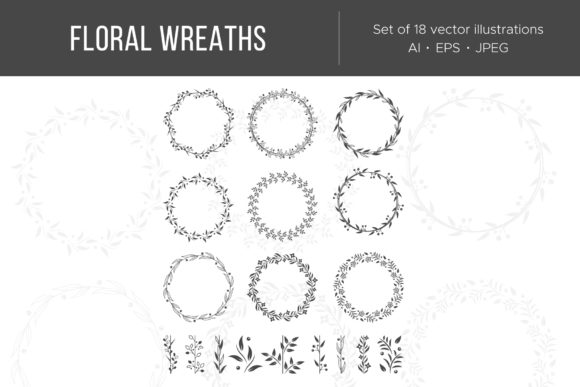
Before initiating a specific project, it is essential to understand where round floral wreaths illustrations fit within a broader design system. Unlike raster images that degrade when resized, vector assets provide infinite scalability. This characteristic makes them indispensable for multi-channel campaigns where a single motif must adapt to everything from a 16-pixel favicon or social media avatar to a large-format event banner. The circular geometry of these wreaths naturally creates a focal point, making them ideal for logo lockups, certification seals, product labels, and header graphics.
During the planning phase of a creative brief, selecting the appropriate wreath style sets the trajectory for the entire project. A tight, dense botanical arrangement suggests tradition, luxury, or heritage, suitable for wedding stationery or artisanal food packaging. Conversely, loose, airy line-work florals imply modernity, wellness, or minimalism, often used in tech-adjacent lifestyle brands or educational materials. By treating these illustrations as modular components rather than static backgrounds, designers can build flexible templates that accommodate varying text lengths and image placements without requiring constant redesigns.
Navigating File Formats for Maximum Compatibility
A professional asset pack typically arrives as a ZIP file containing multiple formats, each serving a distinct purpose in the production pipeline. Understanding when to deploy AI, EPS, or JPEG files prevents workflow bottlenecks and ensures optimal output quality.
- AI (Adobe Illustrator): This is the master source file. It retains all layer information, editable paths, and color swatches. Use this format when you need to modify the wreath’s color palette to match brand guidelines, adjust individual petal shapes, or combine multiple wreath elements into a new composite. It is the primary file for long-term asset management and customization.
- EPS (Encapsulated PostScript): The universal vector standard. EPS files are crucial for collaboration with clients or printers who may not use Adobe software. They maintain vector crispness but flatten some complex appearance attributes. This format is typically required for professional print shops, embroidery digitizing, or legacy design software compatibility.
- JPEG: A rasterized preview or final output format. While unsuitable for editing, high-resolution JPEGs are vital for quick mockups, client presentations, web use, or insertion into non-design documents like Word proposals or PowerPoint decks. They allow stakeholders to visualize the concept without needing specialized software.
Implementation Across Project Phases
The utility of round floral wreaths illustrations extends throughout the lifecycle of a project, influencing decisions before, during, and after execution. Integrating these assets effectively requires a process-oriented approach that anticipates downstream needs.
Pre-Production and Asset Preparation
Before opening your design software, audit the downloaded assets against project requirements. Verify that the botanical species depicted align with the intended message; for example, avoiding flowers with negative cultural connotations in international markets. Check the color mode of the AI and EPS files immediately. If the project is destined for commercial printing, ensure the vectors are in CMYK to prevent unexpected color shifts during conversion. For digital-first projects, confirm RGB integrity. Organizing these files into a structured library with clear naming conventions at this stage saves significant search time later, especially when managing multiple variations across seasonal campaigns.
Active Design and Customization
During the active creation phase, treat the wreath as a dynamic container. In Adobe Illustrator or Affinity Designer, utilize clipping masks to place photography or typography within the wreath’s negative space. This technique maintains the organic border while ensuring content remains legible. When working with text, convert the wreath to a guide layer to prevent accidental edits while positioning type along the circular path. For branding projects, create global color swatches linked to the wreath elements. This allows for instant theme switching—changing a spring pastel palette to an autumn earth tone with a single click—facilitating rapid iteration during client review cycles.
Efficiency also involves knowing when not to over-customize. If the stock illustration meets 90% of the requirement, minor tweaks are preferable to rebuilding from scratch. However, always check licensing terms regarding modification and redistribution. Professional integrity demands respecting intellectual property while maximizing asset value.
Post-Production and Archiving
After project completion, the workflow continues with proper archiving. Save a customized version of the wreath back to your master library if significant, reusable modifications were made. Document any specific color codes or font pairings used alongside the illustration in your brand guidelines. This ensures future team members or freelancers can replicate the look without reverse-engineering the file. For web deliverables, export optimized SVG versions from the AI source to maintain crispness on retina displays while keeping file sizes minimal, directly impacting site performance and SEO metrics.
Technical Considerations for Print and Digital Output
Quality control is paramount when transitioning round floral wreaths illustrations from screen to final medium. Different outputs impose different technical constraints that must be addressed proactively.
For print production, pay close attention to line weight. Intricate vector details that look stunning on a 27-inch monitor may disappear or bleed together when printed at small sizes on textured paper. Always request a physical proof or print a test sheet at actual size before approving a full run. Ensure bleeds are set correctly if the wreath extends to the edge of the trim line. For specialty finishes like foil stamping or embossing, separate the wreath elements onto dedicated spot color layers to communicate clearly with the finisher.
For digital applications, consider accessibility and responsiveness. When using wreaths as decorative frames on websites, ensure they do not interfere with touch targets or text readability on mobile devices. Use CSS to handle scaling rather than relying solely on fixed-dimension images. If the wreath contains meaningful text integrated into the design, provide appropriate alt text describing both the visual frame and the enclosed content. Search engines cannot "see" the vector art, so semantic HTML structure around the illustration supports discoverability.
Enhancing Workflow Efficiency Through Organization
The long-term value of acquiring vector packs lies in systematic integration. Scattered files lead to duplicated efforts and inconsistent branding. Establish a centralized digital asset management (DAM) protocol, even if it is simply a well-structured cloud folder system.
- Categorize by Attribute: Tag or folder files by style (watercolor, line art, vintage), season, and color family rather than just filename.
- Create Template Libraries: Build master InDesign or Illustrator templates with pre-placed, locked wreath layers for recurring deliverables like certificates, social posts, or price tags.
- Version Control: Maintain original unedited masters separate from project-specific adaptations. Never overwrite the source file.
- Licensing Documentation: Keep license agreements stored alongside the assets. Quick access to usage rights prevents legal risks during audits or client transfers.
This organizational discipline transforms a simple download into a sustainable production resource. It reduces cognitive load during high-pressure deadlines and ensures that every stakeholder, from junior designers to external vendors, works from approved, high-quality sources.
Collaborative and Client-Facing Applications
Round floral wreaths illustrations also facilitate smoother communication in collaborative environments. During client presentations, high-quality JPEG mockups help non-designers visualize abstract concepts concretely. Instead of describing a "circular organic border," showing three wreath variations accelerates decision-making and aligns expectations early. For educators and content creators, these visuals break up dense text blocks, improving information retention and engagement rates without requiring custom illustration budgets.
When handing off files to developers or printers, providing the correct format upfront eliminates back-and-forth clarification emails. Including a brief usage note—specifying minimum reproduction sizes or recommended background colors—demonstrates professionalism and prevents costly errors. This proactive approach to asset delivery builds trust and positions the designer as a strategic partner rather than just a decorator.
Ultimately, the effective use of round floral wreaths illustrations is defined by intentionality. Whether enhancing a boutique brand identity, streamlining event collateral production, or adding polish to educational materials, success comes from understanding the technical specifications, respecting the design context, and integrating the asset seamlessly into established workflows. By mastering the interplay between AI, EPS, and JPEG formats and applying rigorous organizational standards, professionals can elevate their output quality while significantly reducing production friction.