Floral Illustration: Versatile Botanical Design Assets
True botanical art transcends simple decoration; it communicates emotion, seasonality, and organic elegance in a way few other visual elements can. When working with a comprehensive Floral Illustration collection, you are not merely placing clip art onto a canvas. You are engaging with a curated library of natural forms that possess distinct personalities, ranging from delicate line work to lush, painterly compositions. These digital assets serve as the foundational building blocks for modern creative projects, offering a level of versatility that static images simply cannot match. The appeal lies in their ability to soften rigid layouts, add texture to minimalist designs, and evoke a sense of handcrafted authenticity that resonates deeply with contemporary audiences.
For designers and entrepreneurs, the value of these illustrations extends beyond their aesthetic beauty. They function as strategic design assets that solve common layout problems. A well-executed floral element can guide the viewer’s eye across a wedding invitation, frame a product label without obscuring text, or provide necessary negative space in a busy social media graphic. Unlike generic stock photography, high-quality vector-based floral art allows for infinite customization. You can scale a single bloom to fill a billboard or shrink an entire bouquet to fit a business card without losing crispness or detail. This adaptability makes them indispensable for maintaining brand consistency across diverse touchpoints, from digital screens to physical merchandise.
Strategic Applications Across Print and Digital Media
The true test of any design asset is its performance in real-world scenarios. Floral Illustration files excel because they bridge the gap between personal crafting and commercial branding. For those creating wedding stationery, these vectors offer the flexibility to build custom borders and corner pieces that feel bespoke rather than templated. Because the files are fully editable, you can adjust the density of petals or the curve of stems to match specific typography choices, ensuring the visual hierarchy supports the couple's unique identity rather than competing with it.
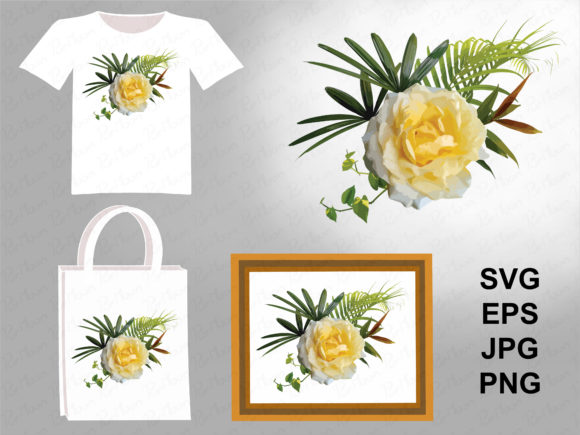
In the realm of product design and packaging, these illustrations provide immediate context and shelf appeal. A skincare brand might use sparse, fine-line florals to suggest purity and clinical precision, while a tea company could opt for dense, watercolor-style botanics to convey warmth and tradition. The included EPS10 format is particularly valuable here, as it ensures print-ready quality for everything from shopping bags to ceramic mugs. When designing for apparel like t-shirts or phone cases, the transparent PNG files allow for seamless integration onto colored backgrounds, eliminating the need for tedious masking or background removal. This efficiency is crucial for small business owners managing tight production timelines.
Digital creators also benefit significantly from this versatility. Web designers can use SVG versions to create lightweight, scalable hero images that load instantly on mobile devices. Content marketers can incorporate these elements into blog headers or Pinterest pins to increase engagement without relying on heavy raster images. The ability to rearrange individual flowers, leaves, and branches means you never have to repeat the exact same composition twice, keeping your feed or website looking fresh and dynamic even when using the same core asset pack.
Evaluating File Formats for Professional Workflows
Understanding the technical specifications of your Floral Illustration download is essential for maximizing its utility. The .zip package typically contains four distinct file types, each serving a specific purpose in the design ecosystem. Recognizing when to use which format separates amateur results from professional output.
- SVG (Scalable Vector Graphics): Ideal for web design, Cricut/Silhouette cutting machines, and any project requiring infinite scaling. SVGs maintain perfect edges at any size and often support CSS animation, making them perfect for interactive digital experiences.
- EPS10 (Encapsulated PostScript): The industry standard for professional printing and advanced editing in Adobe Illustrator or CorelDRAW. This format preserves all vector nodes, allowing you to recolor, reshape, and combine elements freely. It is the master file for creating new derivative designs.
- PNG (Portable Network Graphics): Best for quick mockups, social media graphics, and applications where transparency is needed but vector editing is not. High-resolution PNGs with transparent backgrounds save time when working in non-vector software like Canva, Photoshop, or Procreate.
- JPG (Joint Photographic Experts Group): Useful for reference, client presentations, or platforms that do not support transparency. While less flexible for editing, JPGs on white backgrounds are universally compatible and easy to share via email or messaging apps.
Having access to all four formats ensures that your workflow remains unimpeded regardless of the software or output medium. It eliminates the frustration of pixelation when resizing for large-format printing and prevents jagged edges when cutting vinyl for stickers or decals. This comprehensive approach to file delivery reflects an understanding of modern multi-platform design needs.
Cultivating Visual Harmony and Brand Identity
Integrating Floral Illustration into a project requires more than just drag-and-drop placement; it demands thoughtful consideration of visual balance and brand alignment. The style of the illustration must complement your typography and overall message. Pairing a bold, modern sans serif font with intricate, vintage botanical engravings can create striking contrast, but it can also feel disjointed if not handled carefully. Conversely, matching a flowing script font with soft, watercolor florals creates harmony but risks becoming overly sentimental if the layout lacks structural grounding.
When developing a brand identity, treat these illustrations as modular components of a larger system. Instead of using a pre-arranged bouquet exactly as provided, deconstruct it. Use individual buds for bullet points, separate leaves for section dividers, and full blooms for focal points. This rearrangement capability is what transforms a static purchase into a proprietary design language. By consistently applying these modified elements across your greeting cards, wall art, and digital content, you build recognition and trust with your audience.
Readability should always remain the priority. Florals are supporting actors, not the main protagonists, especially in text-heavy designs like editorial spreads or informational packaging. Ensure that decorative elements do not interfere with legibility by maintaining adequate whitespace and contrast. Test your compositions at actual size before finalizing; what looks balanced on a 27-inch monitor may appear cluttered on a 4x6 inch postcard. Professionalism emerges from this attention to functional detail, proving that beauty and utility can coexist seamlessly.
Licensing and Commercial Considerations
Before incorporating any Floral Illustration into products intended for sale, verify the licensing terms associated with the asset pack. Understanding the distinction between personal use and commercial licensing protects your business from legal complications. Most premium packs grant broad commercial rights for physical end-products like mugs, t-shirts, and framed prints, but restrictions often apply to digital redistribution. You generally cannot resell the raw vector files or include them in competing clipart bundles.
For entrepreneurs selling on platforms like Etsy or Amazon Merch, ensure your usage complies with both the font/illustration license and the platform’s policies regarding originality. Simply placing an unmodified illustration on a shirt may not meet "original design" thresholds required by some marketplaces. Leveraging the rearrangeable nature of the EPS and SVG files to create unique, composite designs satisfies these requirements while adding genuine value to your offerings. Always keep your license documentation accessible, as platforms occasionally request proof of rights during shop reviews or dispute resolutions.
Ultimately, investing in high-quality, multi-format floral assets is an investment in creative efficiency and brand coherence. Whether you are a hobbyist exploring paper crafts or a seasoned art director overseeing a rebrand, having reliable, versatile botanical elements at your fingertips streamlines the path from concept to completion. The right illustration does not just decorate a surface; it amplifies your message, connects with your audience on an emotional level, and elevates the perceived value of everything it touches.