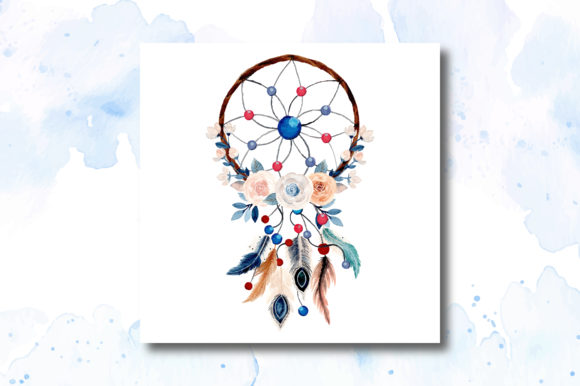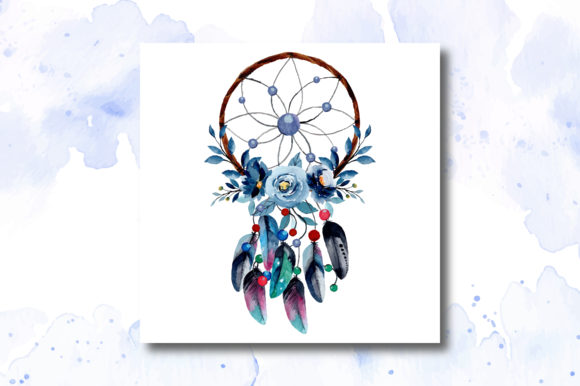
Watercolor Dream Catcher Floral Design Asset
Elevate your next creative project with the organic elegance of a Watercolor Dream Catcher with Floral 1, a versatile visual element that bridges the gap between ethereal artistry and professional graphic design. In an era where digital interfaces often feel sterile, incorporating hand-drawn textures and soft botanical motifs can significantly enhance user engagement and emotional resonance. This specific clipart resource offers designers a unique opportunity to infuse warmth and narrative depth into branding, editorial layouts, and digital products without sacrificing technical quality or modern aesthetics.
The Strategic Value of Hand-Drawn Visual Assets
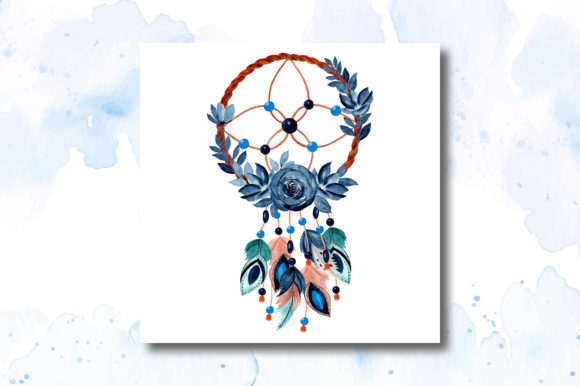
Modern visual communication relies heavily on authenticity. While vector graphics provide scalability and precision, they sometimes lack the human touch that fosters connection. A hand drawn dream catcher and blue floral with watercolor styling introduces organic imperfection that signals craftsmanship and care. For brand identity projects, this type of imagery serves as more than mere decoration; it acts as a tonal anchor. The interplay of translucent washes and intricate line work creates a sophisticated visual hierarchy that guides the viewer’s eye while establishing a calming, premium atmosphere suitable for wellness brands, boutique retail, or lifestyle marketing.
From a technical standpoint, the utility of this asset lies in its format and resolution. Receiving both JPG and PNG versions ensures compatibility across diverse design workflows. The transparent background PNG is particularly valuable for UI design and web overlays, allowing the illustration to integrate seamlessly with existing color palettes and typography systems. At 4000×4000 pixels and 300 dpi, these high-resolution images maintain crisp edges whether scaled down for social media graphics or enlarged for print design applications like packaging and large-format advertising.
Practical Applications Across Design Disciplines
Versatility is the hallmark of effective creative assets. This watercolor composition adapts to numerous contexts, enhancing both form and function:
- Branding and Logo Design: Use the floral elements as secondary brand marks or background textures to soften corporate identities and add artisanal character to logo lockups.
- Editorial and Web Design: Break up dense text blocks in magazines or blogs with organic dividers, improving readability and reducing cognitive load through strategic white space management.
- Packaging and Merchandise: Leverage the high DPI for tangible products like greeting cards, textile prints, or cosmetic labels where tactile visual quality directly influences perceived value.
- Social Media Content: Create cohesive Instagram stories or Pinterest pins by using the transparent PNG over solid brand colors, ensuring consistent visual storytelling across platforms.
Best Practices for Integration and Composition
To maximize the impact of watercolor assets, designers must consider balance and contrast. Because watercolor inherently possesses low contrast and soft edges, pairing it with bold, structured typography creates a compelling tension that enhances legibility. When using the Watercolor Dream Catcher with Floral 1 in a layout, ensure sufficient negative space surrounds the illustration to prevent visual clutter. This respects the delicate nature of the medium and maintains a clean, professional presentation.
Color harmony is equally critical. The blue floral tones in this asset suggest a cool, serene palette. Designers should sample these hues to create complementary color swatches for buttons, headers, or accent lines, ensuring the illustration feels native to the design system rather than pasted on. Additionally, consider the psychological weight of the dream catcher symbol; it implies protection, filtering, and mindfulness. Aligning this symbolism with appropriate copy and UX messaging strengthens the overall narrative coherence of the project.
Evaluating Quality in Creative Resources
When selecting assets for professional work, always verify technical specifications against intended output. A 300 dpi standard is non-negotiable for print design to avoid pixelation, while high pixel dimensions future-proof the asset for retina displays and responsive web environments. Beyond specs, evaluate the artistic integrity of the clipart. Genuine hand-drawn elements should exhibit natural brush variation and pigment pooling, distinguishing them from AI-generated or auto-traced imitations. This authenticity translates directly to brand trust and audience appreciation.
Ultimately, thoughtful integration of artistic resources like this watercolor dream catcher transforms generic templates into distinctive brand experiences. By prioritizing high-resolution formats, respecting visual hierarchy, and aligning aesthetic choices with strategic communication goals, designers can leverage organic art to create work that is not only visually stunning but also deeply effective in conveying meaning and fostering connection.