Enhancing Creative Projects with Watercolor Flowers ClipArt and Floral Images
In the world of digital design and physical crafting, finding high-quality botanical elements that feel both organic and professional can be a significant challenge. Watercolor Flowers ClipArt and Floral Image collections bridge the gap between traditional artistic expression and modern digital convenience. These resources are not merely decorative files; they are versatile design assets that allow creators to infuse their projects with the softness, elegance, and timeless appeal of hand-painted art without requiring hours at an easel. Whether you are designing wedding stationery, updating a website, or preserving memories in a scrapbook, understanding how to effectively utilize these floral images can elevate your work from simple to stunning.
Understanding the Value of Digital Botanical Assets
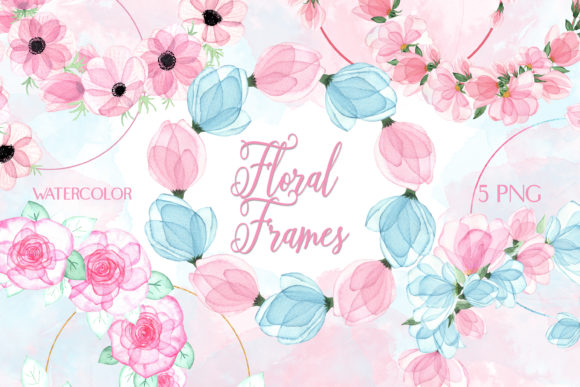
Watercolor Flowers ClipArt refers to digitized illustrations of flowers painted in the watercolor medium, saved in formats that preserve their delicate textures and transparent backgrounds. Unlike vector graphics which can sometimes appear sterile or overly perfect, watercolor clipart retains the natural bleeding of pigments, brush strokes, and paper grain. This authenticity is crucial for designers seeking to evoke emotion and warmth. A Floral Image in this context serves as a standalone artistic element that can anchor a layout or serve as a subtle background texture.
The primary value lies in accessibility and quality. Traditional watercolor painting requires specific supplies, drying time, and a level of skill that takes years to master. By utilizing pre-made Watercolor Flowers ClipArt, you gain immediate access to professional-grade artwork. However, not all clipart is created equal. The distinction often lies in technical specifications. High-resolution files ensure that the intricate details of petals and leaves remain crisp, while proper file formatting ensures seamless integration into various workflows. When selecting these assets, one must prioritize resolution and transparency to avoid the frustration of pixelation or difficult editing later in the process.
Overcoming Common Design Challenges
Many creators face specific hurdles when incorporating florals into their work. A frequent issue is the "white box" effect, where low-quality images have solid white backgrounds that clash with colored layouts or textured papers. This disrupts the visual flow and makes the design look amateurish. Another common challenge is resolution mismatch; using web-resolution images for print results in blurry, unprofessional outputs that ruin invitations or cards. Furthermore, finding cohesive sets where different flowers share the same color palette and painting style can be time-consuming and expensive.
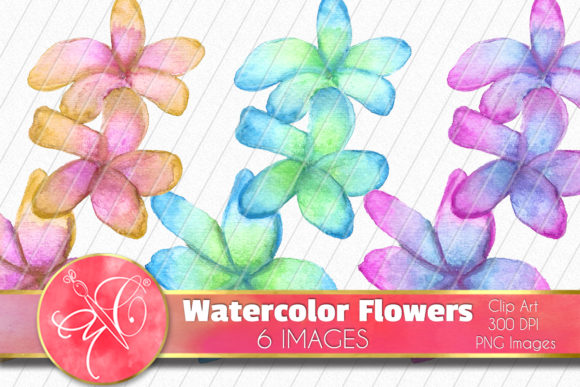
This specific collection of Watercolor Flowers ClipArt addresses these pain points directly through its technical composition. The inclusion of six separate PNG images with transparent backgrounds eliminates the need for manual masking or background removal. This transparency allows the florals to float naturally over any color, pattern, or photograph, maintaining the integrity of the underlying design. Additionally, the files are provided at 300 DPI (dots per inch), which is the industry standard for high-quality printing. This ensures that whether you are printing a small greeting card or a large poster, the edges remain sharp and the colors vibrant. The approximate size of 6.5 x 4.6 inches offers substantial coverage for most standard project dimensions without overwhelming smaller details.
Practical Applications Across Mediums
The versatility of Watercolor Flowers ClipArt extends across both digital and physical realms. Understanding how to apply these assets in different contexts maximizes their utility and return on investment.
Stationery and Invitation Design
For event planners and DIY brides, floral clipart is essential for creating cohesive branding. Because these images are separate PNGs, you can arrange them to create custom borders, corner accents, or central bouquets. The transparent background is particularly valuable here, allowing you to layer flowers over colored cardstock or textured digital backgrounds without unsightly edges. You might use two larger blooms for the top corners of a wedding invitation and scatter smaller buds along the bottom to frame the text. The 300 DPI resolution ensures that fine details, such as stamen and vein lines, print beautifully on premium paper stocks.
Digital Web Design and Social Media
In web design, Watercolor Flowers ClipArt adds a human touch to otherwise rigid grid layouts. These images can be used as hero image overlays, section dividers, or decorative elements in blog headers. Because they are PNGs with transparency, they integrate seamlessly with CSS backgrounds. For social media managers, these floral images provide instant aesthetic upgrades to quotes, announcements, or product showcases. The ability to resize and reposition individual flowers allows for endless variation, ensuring your feed remains visually consistent yet dynamic.
Scrapbooking and Memory Keeping
Physical scrapbookers benefit immensely from digital florals by printing them onto sticker paper or matte photo paper before cutting them out. This technique allows for precise placement and layering that real pressed flowers cannot always achieve due to fragility. Alternatively, digital scrapbookers can drag and drop these high-resolution PNGs directly into software like Photoshop or Affinity Photo. The separate image format means you can build depth by overlapping stems and petals, creating realistic arrangements that complement photographs without distracting from the memories being preserved.
Technical Considerations for Optimal Results
To get the most out of your Watercolor Flowers ClipArt, it is important to understand the technical environment in which you are working. While these files are compatible with almost any editor program, your approach should vary based on the output.
- Color Management: Watercolors rely on subtle gradients. Ensure your monitor is calibrated if printing professionally, or do a test print at home to check color accuracy. RGB screens display colors differently than CMYK printers.
- Layering Techniques: Always keep floral elements on separate layers above your text and background. Use blending modes like "Multiply" or "Overlay" sparingly; watercolor usually looks best in "Normal" mode to preserve the original pigment opacity.
- Scaling Best Practices: While 300 DPI at 6.5 x 4.6 inches is high resolution, scaling up beyond 150% may introduce softness. If you need larger florals, consider tiling multiple images or using them as border elements rather than stretching a single file.
- File Organization: Since you receive six separate images, organize them in a dedicated asset folder. Naming conventions help when searching for specific blooms during complex projects.
Tailoring Usage to Different Skill Levels
The beauty of this Floral Image collection is its adaptability to user expertise. Beginners can achieve professional results simply by placing a single centered flower on a plain background with elegant typography. The transparency handles the heavy lifting of integration, making it nearly impossible to make a messy design. Intermediate users can experiment with composition rules, such as the rule of thirds, using the florals to guide the viewer’s eye toward focal points. They might also combine multiple PNGs to create asymmetrical arrangements that feel more organic.
Advanced designers and photographers can use these Watercolor Flowers ClipArt assets as composite elements. In photography, overlaying semi-transparent florals can add a dreamy, ethereal quality to portraits or product shots. Graphic designers might use the flowers as masks or clipping paths for text, integrating typography directly into the botanical forms. Regardless of skill level, the instant download nature of the product means there is no barrier to entry; you can move from concept to execution immediately.
Making the Most of Your Instant Download
When you acquire digital assets like this Watercolor Flowers ClipArt set, you are investing in creative efficiency. The combination of high resolution, transparent backgrounds, and separate file organization solves the most persistent problems in floral design. By focusing on practical application—whether for print invitations, web aesthetics, or memory keeping—you transform simple PNG files into powerful storytelling tools. Remember that the goal is enhancement, not domination; let the delicate nature of watercolor guide your design choices, ensuring that every petal and leaf serves a purpose in your final creation. With these six high-quality images at your disposal, you have a foundational toolkit capable of supporting countless future projects across every medium.